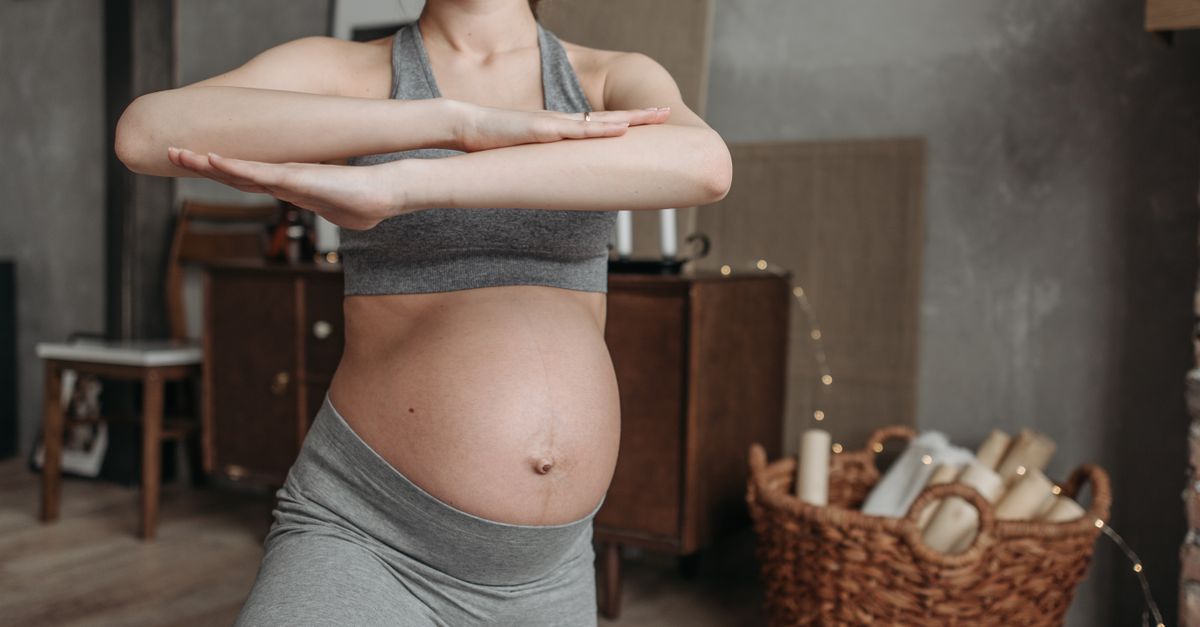
Pregnancy introduces sweeping changes to nearly every aspect of a woman’s daily life. As the body adapts week by week to support a growing baby, expectant mothers frequently encounter common physical hurdles such as backaches, poor sleep, swollen feet, general tiredness, and natural emotional ups and downs. In recent years, prenatal yoga has evolved well beyond a passing fitness trend. Many obstetricians now view it as a gentle, highly supportive practice that allows women to stay active while fostering moments of calm during a physically demanding phase.
From a clinical standpoint, healthcare professionals consistently recommend regular physical activity and an active lifestyle to support a healthy pregnancy. Prenatal yoga stands out as a versatile workout offering massive benefits because it focuses on gentler movements that seamlessly integrate stretching, relaxation, and controlled breathing. This balanced combination contributes significantly to both physical comfort and emotional well-being.
More Than Stretching: Why Prenatal Yoga Matters
Pregnancy places heavy physical demands on the body. As ligaments loosen, posture shifts, and the body’s center of gravity changes, even everyday tasks can become surprisingly exhausting. Prenatal yoga is specifically designed with these physiological changes in mind. Rather than prioritizing intense flexibility, the practice is slower, gentler, and centered entirely around comfort.
A primary benefit of prenatal yoga is alleviating the distinct discomforts that pregnant women face. As pregnancy advances, weight gain and hormonal shifts place added strain on the pelvis, hip joints, and lower back. Prenatal yoga incorporates specific poses that help build core strength, improve flexibility, strengthen pelvic musculature, support proper posture, and relieve muscle stiffness. Additionally, subtle stretching promotes healthy blood circulation and minimizes swelling in the extremities.
An Answer to Anxiety and Emotional Overload
Pregnancy is not always a picture of glowing happiness and smooth anticipation. Fluctuating hormones, normal worries about childbirth, and the profound transition into motherhood can leave many women feeling overwhelmed. Often, what is needed most is a brief pause for conscious breathing and stillness.
Practicing prenatal yoga provides a meaningful outlet for emotional health, helping expectant mothers navigate stress, mood shifts, and anxiety. Through mindfulness exercises and meditation, women can cultivate emotional balance, inner calmness, greater self-confidence, and a deeper sense of overall wellness.
Breathing Techniques and Childbirth Preparation
One of the most valuable yet underrated elements of prenatal yoga is breath control, or pranayama. Beyond simply easing the physical exercises, controlled breathing promotes deep relaxation and optimizes oxygen flow. Childbirth demands immense physical and mental effort, and the ability to stay calm, focused, and centered often originates from these foundational breathing techniques.
While conscious breathing does not eliminate labor pain, it helps reduce fear and keeps women present in the moment. Controlled breathing also relaxes tense muscles and establishes a steady rhythm that many find deeply comforting.
Better Sleep and Everyday Ease
Restful sleep frequently becomes elusive during the second and third trimesters. Finding a comfortable resting position is difficult, nighttime bathroom trips interrupt sleep cycles, and persistent muscle aches can turn nights into exhausting ordeals.
Emerging evidence indicates that prenatal yoga can assist women in achieving adequate rest. Sleep quality improves as the body relaxes and sheds muscular tension through restorative movements. Quality sleep remains vital for both maternal and fetal health, and many women discover that simple stretching and breathing routines before bedtime make falling asleep much easier.
Practicing Safely: Knowing Your Limits
While prenatal yoga offers extensive advantages, not every yoga posture or practice is appropriate during pregnancy. Certain poses require careful modification or should be avoided altogether. Expectant mothers with underlying medical conditions or pregnancy-related risks must steer clear of high-intensity workouts, deep twists, and vigorous backbends.
Every pregnancy is unique, making personalized exercise essential. Women dealing with specific medical factors—such as cervical insufficiency, uncontrolled hypertension, severe anemia, placenta previa, or a history of preterm labor—need to exercise heightened caution. Because the body’s demands are entirely different during pregnancy, it is crucial to prioritize personal comfort and never push beyond physical capacity.
Disclaimer: This information is provided for educational purposes and should not replace professional medical advice. Prenatal yoga should always be undertaken in consultation with an obstetrician or qualified healthcare provider, particularly for women managing specific medical conditions or pregnancy complications.